
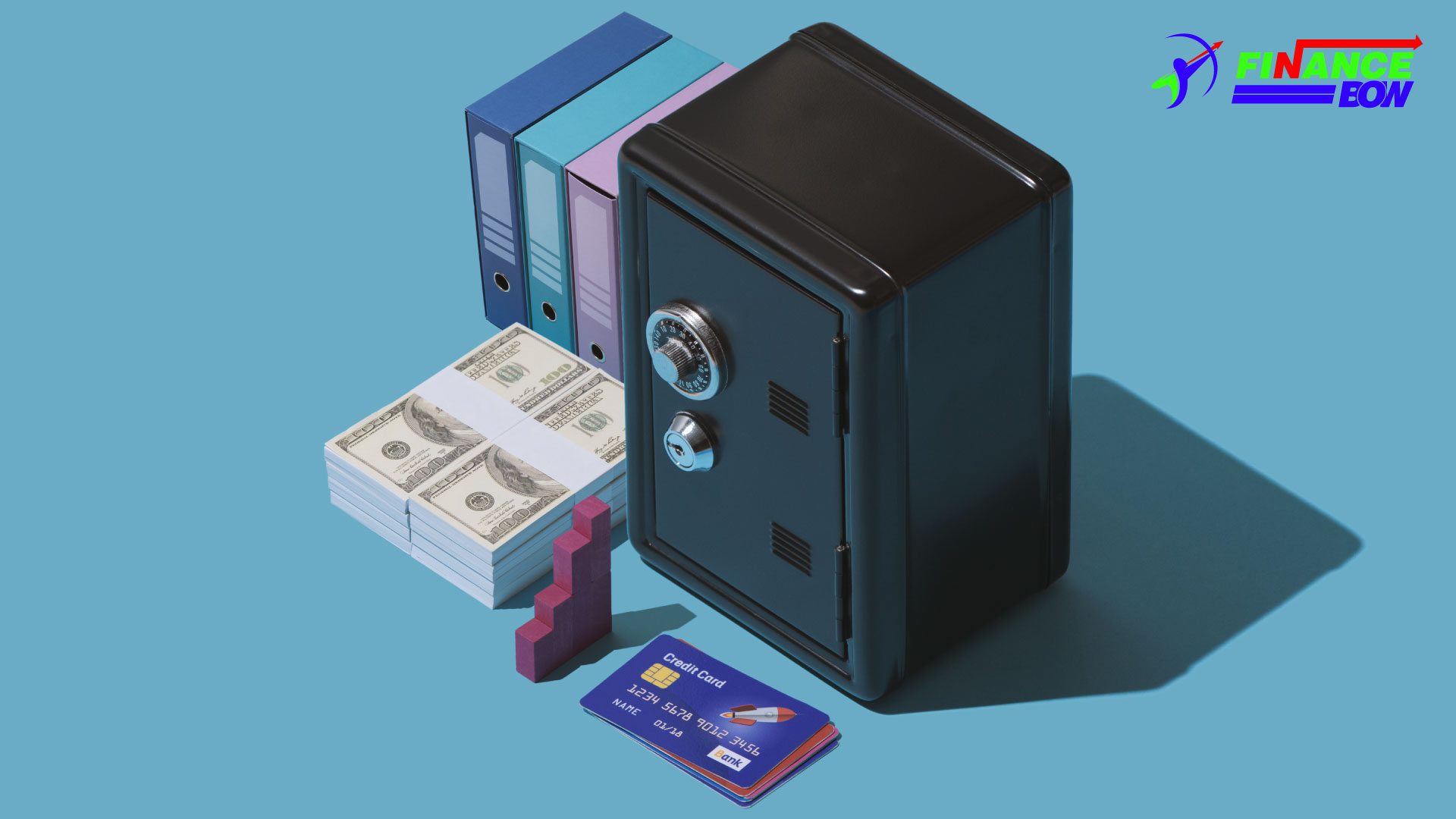
We often get into trouble managing our finances. A personal loan is a savior during our financial hiccup periods. It helps us to get back on track and meet our financial goals. Unexpected events such as accidents, weddings, home renovation, or holiday requires money that is often below our budget. In such cases, a personal loan becomes a handy tool. Personal loans can be secured or unsecured. You need to know the pros and cons of secured vs unsecured loans to choose one for your needs.
Secured vs Unsecured Loan
A secured loan is always backed by collateral, like a property, vehicle, savings account, or any other tangible assets. From a lender’s view point, it is a lower-risk loan because the lender can seize the collateral to recover the loan amount if the borrower defaults. However, this is a risk from the borrowers’ perspective because failing to pay will cost their assets.
A secured loan is popular among those who have assets to keep as collateral and are looking for lower-interest loans. Borrowers with a lower credit score can apply for this loan. These loans provide a higher amount of loans, which makes them ideal for large purchases or investments. Examples of secured loans include home equity loans, car loans, and business loans to buy inventory or equipment.
On the contrary, unsecured personal loans don’t need any collateral. You need a strong credit history to demonstrate to the lender that you are capable of repaying the debt. This type of loan is preferred by borrowers who don’t have sufficient assets to keep as collateral, but needs fund immediately.
From the lenders’ perspective, it is riskier than secured loans. From the borrowers’ perspective, they don’t have the fear of losing assets, but if they miss a payment, then their credit score will fall, which may get them into future financial trouble. That’s why the eligibility requirements of this loan are stricter than those of secured loans. Examples of unsecured loans include loans for home renovation or paying medical bills, credit cards, education loans, or small business loans. The approval time of these loans is faster than that of secured loans.
Secured vs Unsecured Loans During Periods Of Economic Uncertainty
It is better to choose a secured loan when there is economic uncertainty, provided you have assets keep as collateral. You will get lower interest rates; thus, you will end up saving a lot of money compared to an unsecured loan. You will also get longer repayment terms and higher borrowing limits. This will give you a breathing space to sort out your finances. As the loan amount will be spread over a longer period, you will need to pay low monthly installments. With a secured loan, the probability of approval is high as the lender finds it less risky to give you money. They know that in case you default, the bank will be able to get the money from your collateral.
If there is a recession, you may lose your job, struggle to pay increasing house rent or commodity prices. During times of economic uncertainty, your goal should be to minimize monthly expenses to save money for unforeseen economic conditions. You can only do that when you have to pay lower loan installments. So, you must apply for a secure loan. However, if you don’t have any collateral, then an unsecured loan can be your only option. But remember that the interest rate will be higher and you will have a lower chance of approval unless you have a strong credit score.
The selection of secured vs unsecured loans also depends on your financial goals. Mortgages, home equity loans, auto loans, or business loans are common secured loans. But if you need the loan to consolidate debt, that is, bringing the high-interest debts like credit card balances under the roof of a single loan, then the unsecured loan can be a better option. To cover unavoidable expenses, like medical bills, you can apply for an unsecured loan, too, provided you have stable employment. You must ensure that you get a fixed interest rate so that the interest rate doesn’t increase further.
In difficult economic conditions, the Federal Reserve may reduce the borrowing costs from banks to stimulate economic activity. If your credit score is good, you can lock a low fixed rate, which will save you money in the long run. If you are lucky, you can negotiate flexible repayment terms with the lender, thus giving you more control of the money.
Taking any loan during times of economic uncertainty is risky, as you may have reduced income and end up struggling to pay the monthly installments. The lenders may impose strict regulations during this time as the venture becomes riskier for them, too.
Conclusion
Understanding these differences by comparing secured vs unsecured loans will help you make the best decision during difficult times. You should take time to decide on the type of loan by assessing your financial needs and ability to repay the debt.