
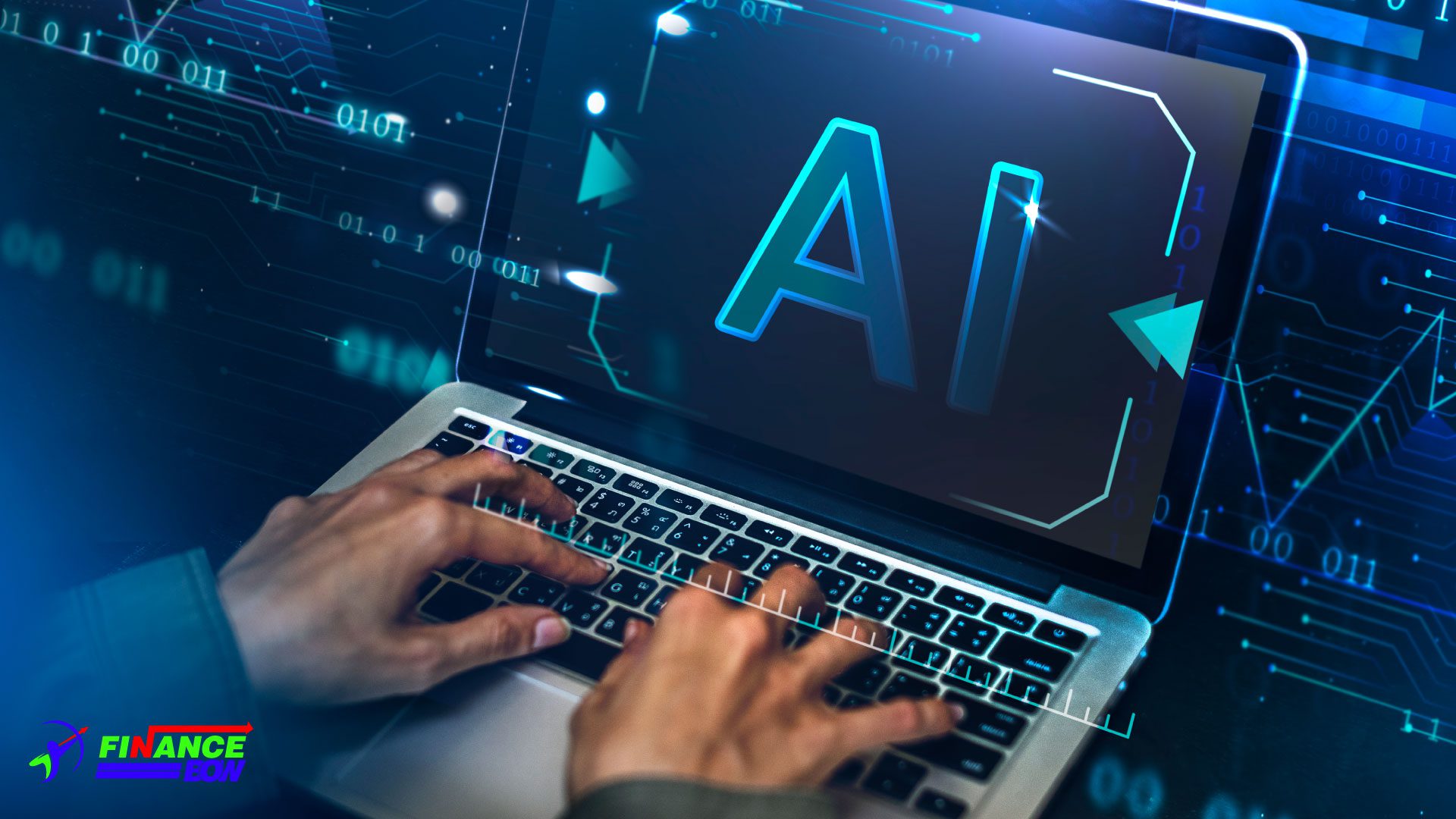
As the market is very competitive, it is necessary to continuously stay informed about the competition, market trends, obstacles in trading. For this, price action is an important component in trading today. Price action gives a real-time picture of the market trends to help traders make informed decisions depending on the price movements that are continuously taking place. Price action also helps to manage risks and protect their funds. Today, price action has become a more effective tool due to Artificial Intelligence (AI) integration. AI algorithmic trading helps the trader make better business decisions.
Manual vs AI algorithmic Trading
Before AI came into the picture, price action was manual, and it required human experiences and observations. Traders used different paper records and charting tools and used their own judgment to interpret the behavior of the current market. This required long hours of screen time and patience. A lot of the interpretation was subjective; therefore, the results were not very reliable.
On the other hand, AI uses complex algorithms to analyze historical price data to predict future price movements. This process is faster and more efficient than the manual price change process. Machine learning is used to detect market trends; as a result, a huge volume of data can be analyzed to find even small price variations. Using multi-time frame analysis, AI can give better and more insightful recommendations.
Algorithmic Trading – How It Is Redefining Price Action
A majority of the trades in the U.S equity markets are now performed by AI and Machine Learning (ML) algorithms. In the past, non-AI algorithms were used, which had fixed rules; for example, ‘Buy share X if the price goes down by 5%’. But now with AI models, massive datasets are analysed to come to a decision regarding trading. AI looks at data from social media sentiment, news feeds, historical charts, and other wide range of other sources. An AI algorithm is more efficient than the previous rigid algorithms because they evolve continuously. They learn from failure and success and come up with a better strategy with every trade.
AI algorithmic trading allows a trader to find out the right moment to enter or exit trade to make the maximum profit or minimize risk. In price action, technical indicators, and volatility assessments are integrated to find the best trading options. The manual data scanning missed many things that the AI radar doesn’t.
With AI algorithmic trading, you will get a custom notification of price change. You will also get better graphics for easy scanning of data, which will make your decision-making process faster. AI can analyse data at a speed that far exceeds human capabilities.
This method of price change doesn’t include any emotional biases that may affect the trader from taking a less realistic decision. AI-integrated price change is totally data-driven; so, you will make your decision on the basis of facts presented to you. You can get personalized investment recommendations and automate portfolio management with AI-integrated price change.
Price action scanning is now faster and more accurate with AI algorithms. Traders can now take a look at the future market by analyzing the past. Algorithmic trading lets the traders know, in real time, areas where prices may bounce or reach the limit. They will also know about any sudden changes in the market that may affect their business. Thus, the traders can make instant decisions with the fresh data.
Challenges
All the good things about AI in price action analysis come at the cost of dealing with sensitive information. It can be challenging to keep the data secure. If these data get into the wrong hands, then people will lose trust in AI. Traders must build strong security fences around price change scanning using AI to prevent data leaks.
Conclusion
AI-integrated price change can lead to long-term economic growth through improved productivity. With advancements in technology, such as blockchain and quantum computing, AI algorithms will make price change more efficient in the future.